UX - UI
A safe in-vehicle infotainment (IVI) system for novice drivers
Designing a Safer, User-Centric IVI System for new drivers
The assignment
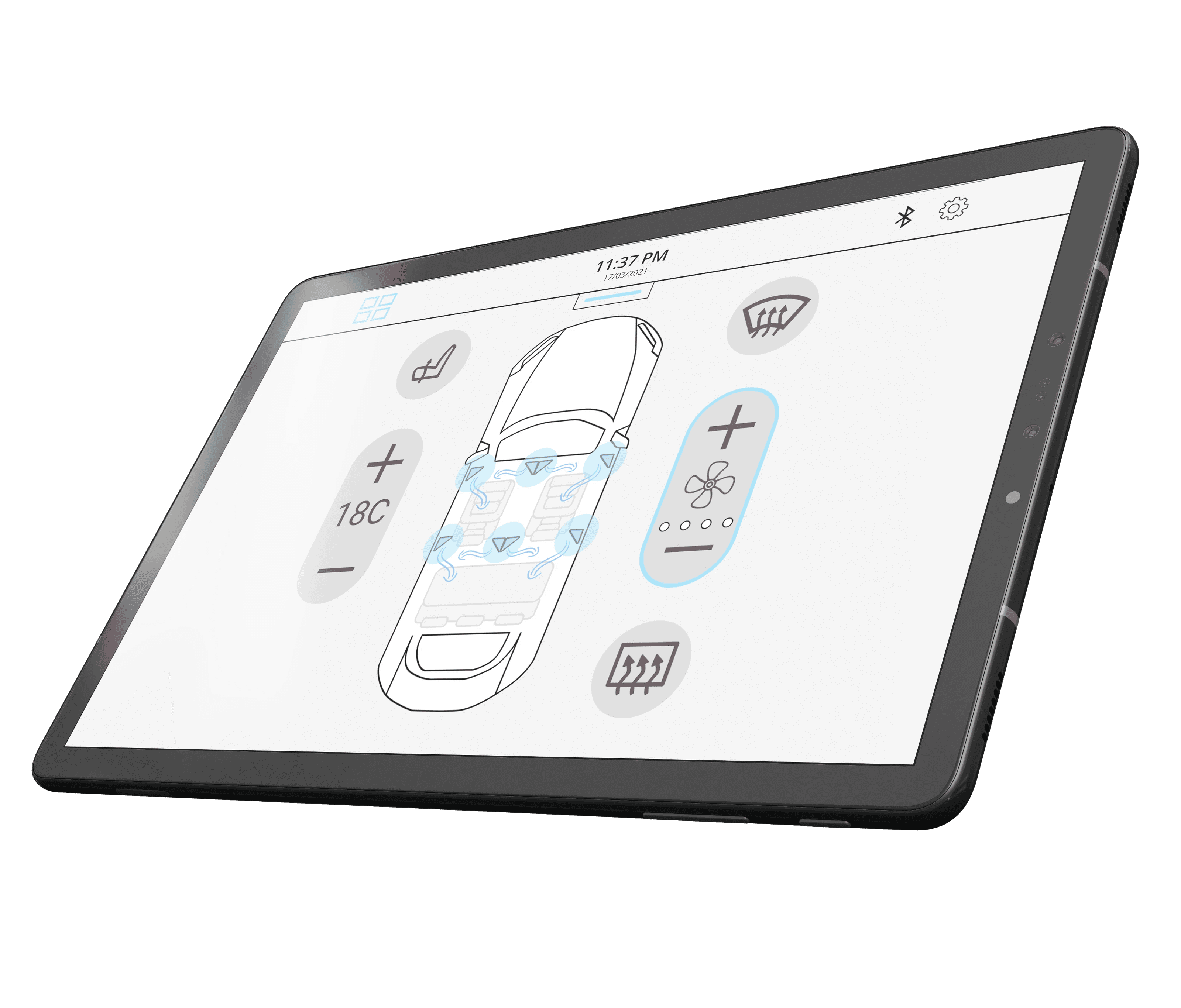
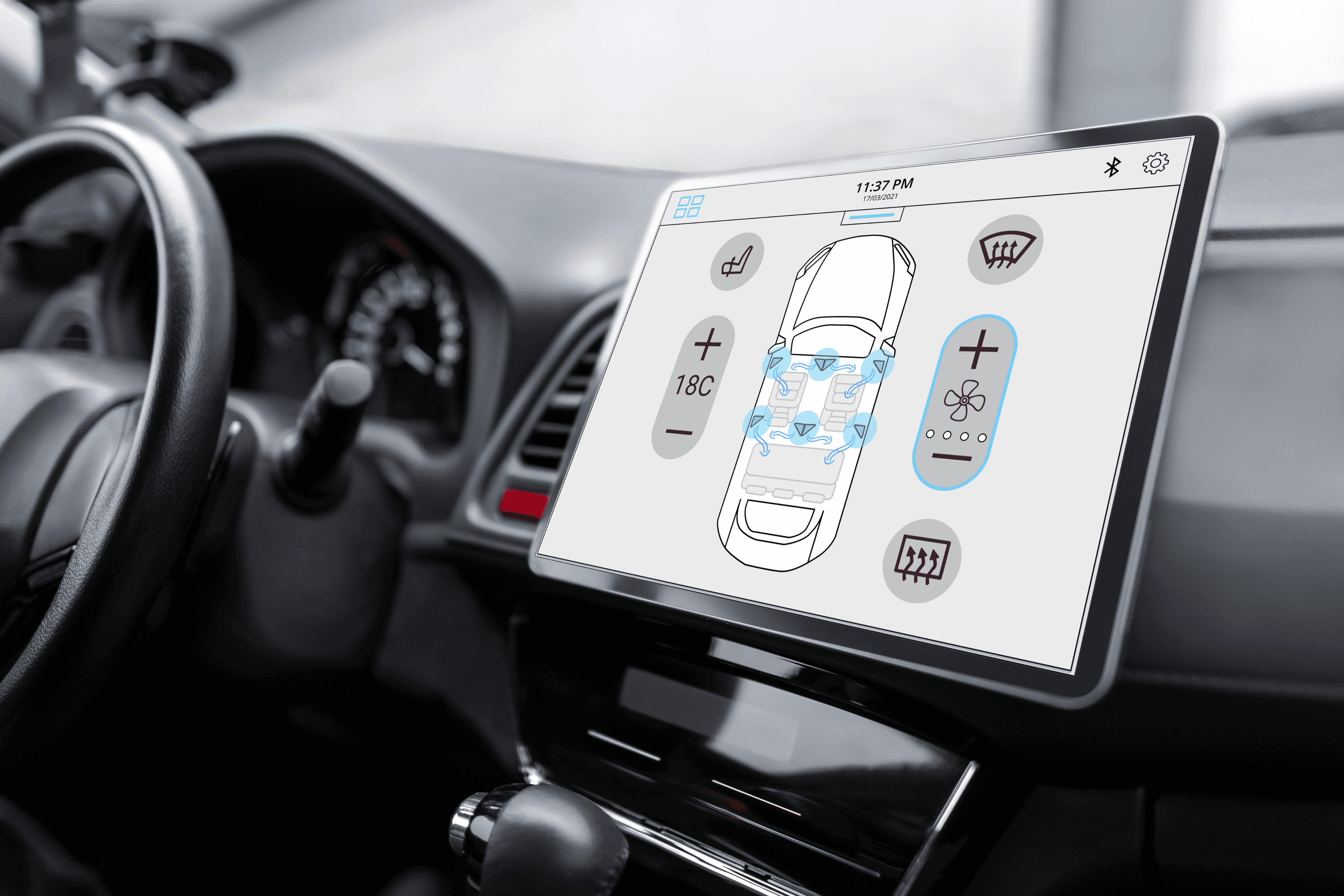
In response to a commission from the digital agency Wearereasonablepeople, our team was tasked with designing an In-Vehicle Infotainment (IVI) system. An IVI system encompasses all the features typically found in a traditional car's center dashboard and more. Within the scope of this project, each team member assumed responsibility for a specific component of the system. My focus and responsibility centered on the climate system.
The problem space
Novice drivers
We started the process by conducting research. It became evident that the automotive market for novice drivers hardly utilizes In-Vehicle Infotainment (IVI) systems, despite the significant safety benefits they could offer. Novice drivers, who don't drive regularly and often find it quite nerve-wracking, stand to gain the most in terms of safety. Recognizing an opportunity, we decided to focus on creating the safest and simplest possible system tailored for novice drivers.
The process
From concept to car
After creating a driver profile (persona) and conducting a competitor analysis during the research phase, I moved on to crafting a flowchart and initial wireframes. This was followed by developing the first clickable prototype.
Recognizing that climate control is a feature frequently used while driving, I ensured that the most commonly used components remained visible in a bar at the bottom of the dashboard. Swiping this bar upward provides access to the advanced climate control menu.
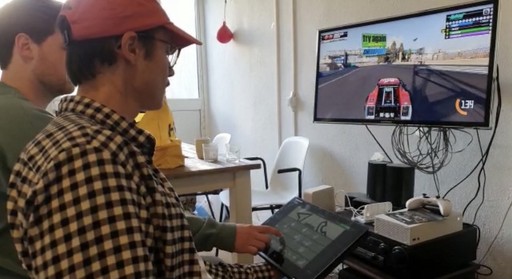
To assess the prototype's intuitive usability, I devised a contextual usability test. This involved evaluating how easily users could interact with the prototype in a real-world context.
usability test
Ready, test, go!
During the contextual usability test, participants were instructed to perform tasks on the prototype while navigating a video game with the goal of following traffic rules. This approach aimed to distract them, encouraging them to interact with the prototype in a way that felt most natural at that moment, without overthinking the process.
Deliverables
Competitive analysis
Target audience research
Persona
Design guidelines
Wireframes
Low- and high-fidelity prototypes
Usability test